Process — How fabric and clothing are made from bamboo
📄 Bài mẫu band 8–9
| Introduction | Paraphrase: sơ đồ 9 bước biến cây tre thành vải rồi thành quần áo. |
| Overview | Overall: 2 pha — nửa đầu biến thân tre thành sợi (chặt, ngâm, nghiền, kéo sợi), nửa sau là dệt may quen thuộc (dệt, nhuộm, may, phân phối). |
| Body 1 | Pha sợi: tre trồng ~3 năm đạt chiều cao tối đa → chặt, băm nhỏ → ngâm dung dịch làm mềm → nghiền, rút sợi tự nhiên → xe thành sợi. |
| Body 2 | Pha may mặc: sợi dệt thành vải trên khung → nhuộm màu → cắt may thành quần áo → giao tới cửa hàng. |
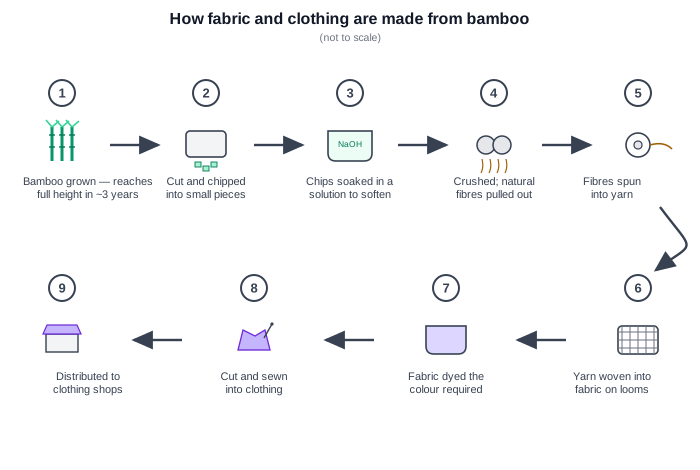
The diagram shows the nine stages by which bamboo plants are converted first into fabric and then into finished clothing.
Overall, the process falls into two distinct phases: the raw bamboo is broken down into thread in the first five stages, after which the thread passes through a conventional textile phase of weaving, dyeing and sewing. Remarkably, the raw material itself is ready in only about three years.
In the first stage bamboo is grown, reaching its full height within roughly three years. The mature plants are then cut down and chipped into small pieces, and these chips are soaked in a chemical solution which softens them. Next, the softened chips are crushed so that the natural fibres can be pulled out, and in the fifth stage those fibres are spun into yarn.
The second phase turns this yarn into clothing. The yarn is woven into fabric on looms, and the fabric is then dyed whatever colour is required. In the eighth stage the dyed cloth is cut and sewn into garments, and finally the finished clothing is distributed to shops. From plant to shop rail, therefore, the bamboo passes through a chemical, a mechanical and a textile stage in turn.
| two distinct phases | hai pha tách bạch |
| reaching its full height | đạt chiều cao tối đa |
| chipped into small pieces | băm thành mảnh nhỏ |
| fibres can be pulled out | rút được sợi ra |
| spun into yarn | xe thành sợi |
| woven into fabric | dệt thành vải |
| cut and sewn | cắt và may |
| distributed to shops | phân phối tới cửa hàng |